

Latest Press Releases
Here are the most recent news articles that we have developed for our clients.
If you want to be talked about…
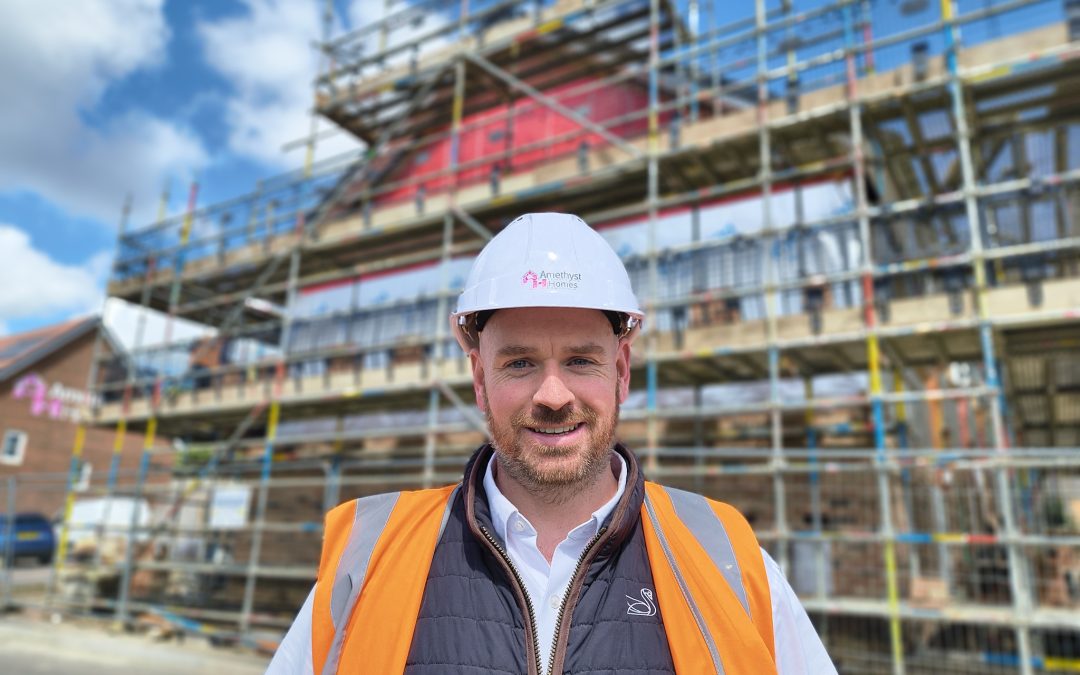
Building on success: Amethyst Homes bolsters its team
Amethyst Homes has appointed 38-year-old Anton Chilton as Site Manager for its Vallum Heights development in Newcastle, bringing over 16 years of construction industry expertise to the regional housebuilder. Anton, from Forest Hall, North Tyneside, previously worked for the regional division of a major national housebuilder. His diverse background also includes 18 months of service in the Royal...

New Business Development Manager joins Kirkwood Timber Frame
Aberdeenshire based Kirkwood Timber Frame has bolstered its team with the appointment of a new Business Development Manager. Dyke McKenize, from Dundee, brings over 30 years of experience to the role, having worked in various positions within the sector – and in locations across the UK - beginning his career in manufacture before moving into sales & business development roles. Through these...

Local teen builds future at The Rise
An 18-year-old from Throckley, is laying the firm foundations for a successful career. Wentworth Bravo has secured a dream apprenticeship at the city’s landmark housing development, The Rise, in Scotswood. He discovered the opportunity after attending a careers open day at a local college library. Wentworth is currently undergoing intensive practical training at the NHBC Newcastle Training Hub,...
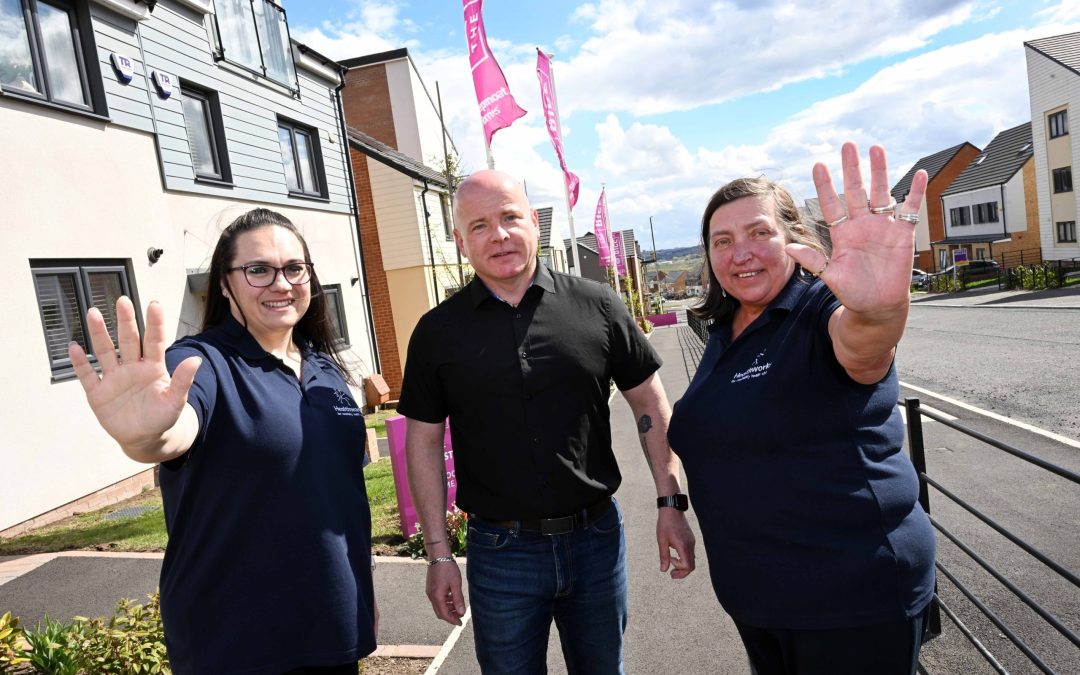
A decade of support for community champions
From hiking history trails to air fryer cookery courses, bikes that blend smoothies to space hopper jousting, Healthworks has always taken a creative approach to promoting healthy, happy living. And a decade of investment from New Tyne West Development Company (NTWDC), the regeneration partnership behind The Rise, in Scotswood, has brought a many of the North East charity’s projects to life,...

New chapter for Willow Burn’s bereavement services
A Consett based house builder, is supporting the creation of a heartwarming new children’s book at Willow Burn Hospice in Lanchester, County Durham. Money raised from the Dysart Group’s last year’s annual inter-company golf day, has enabled Amethyst Homes - supported by 12 other businesses, including Dysart and Absolute Civil Engineering - to contribute to a unique new storytelling project...

Sheffield Housing Company secures planning permission for new homes in Shirecliffe
Sheffield Housing Company (SHC) has recently received planning permission to develop 41 new homes in Shirecliffe, marking a significant step forward in addressing the housing needs of local people. The new development will feature a mix of one, two, three and four bedroomed houses across the vacant housing sites on Musgrave Road, Crumpsall Drive, Crumpsall Road and Miles Road - designed to cater...

Moving forward into 2026 – Malcolm Thomson, Kirkwood Timber Frame
It was fantastic to work closely with Kirkwood Timber Frame’s Managing Director, Malcolm Thomson, on this article about the state of the construction industry and timber frame sectors, moving into 2026: Malcolm says: “2025 was a challenging year for the construction sector. As reported recently in the Telegraph, UK Housing saw its deepest downturn since the pandemic and longest...

Decade of development
A North East developer is celebrating a decade of housing-led regeneration which has transformed a former steel working area. Over the past 10 years, developer Amethyst Homes has delivered over 400 mixed tenure properties at its Regents Park development, in Consett – as well as new community resources and facilities. The diverse housing mix includes two, three and four bedroomed homes. There is...

The B I G build
We were delighted to support our client, Kirkwood Timber Frame, developing the following web article about its involvement in Children In Need's DIY SOS project: The Kirkwood Timber Frame team was honoured to play a part in DIY SOS’ BIG build - in aid of The Joshua Tree - as part of this year’s Children In Need campaign. The Joshua Tree is a charity dedicated to supporting families affected by...
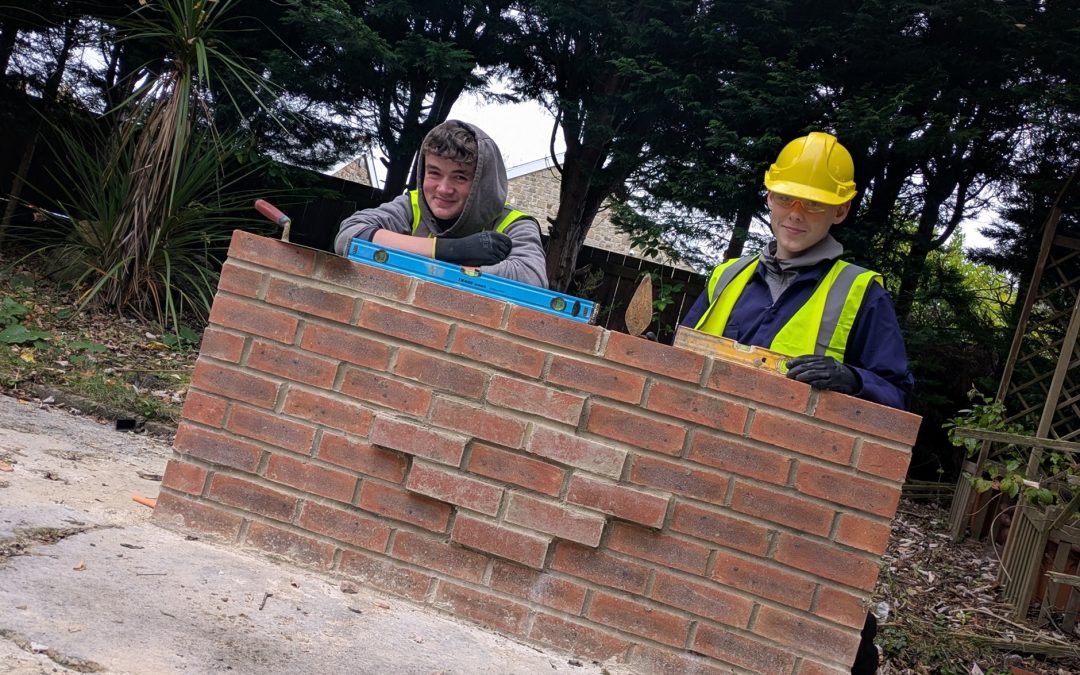
Building for the future
A local independent school in Consett is helping its pupils build for the future, offering brick laying qualifications following a donation of bricks from a regional builder. Delta Independent School is an alternative provision dedicated to supporting young people who, for one reason or another, have not found success in mainstream education. Adding to its growing curriculum offer - which...
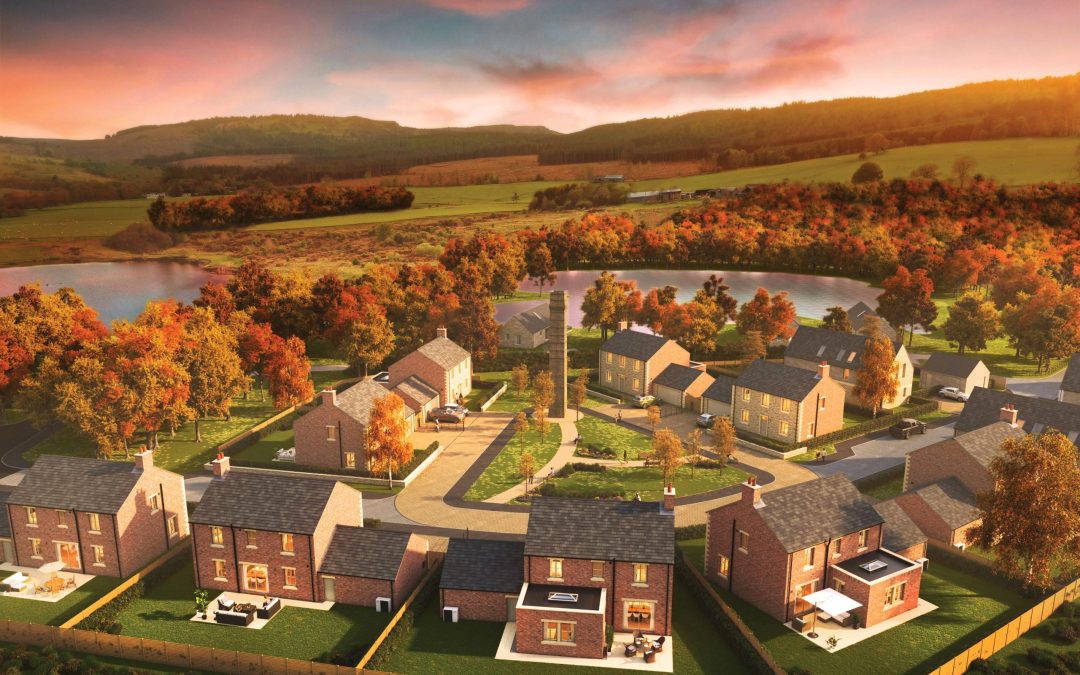
Rejuvenating an historic brownfield site in the heart of Northumberland
Previously, when driving through the beautiful Northumbrian countryside on the A697 north of Longframlington, you will have passed an old scar from our industrial past. Located near Thrunton, Swarland Brickworks, as it was called, was built in the 1930s. It closed in 2010 and had remained derelict and unused following a fire 12 years ago. The site is now being redeveloped into a new community of...

Sweet Success!
A Consett based business is building, after opening the doors to its new purpose-built Coffee Bar & Kitchen at Regents Park in the town in March this year. Sweet Things Coffee, Bar and Kitchen were one of four business to move into Amethyst Homes retail units at its established Regents Park housing development. Since opening its doors, Sweet Things has gone from strength to strength,...
Timber Frame specialist makes key appointment
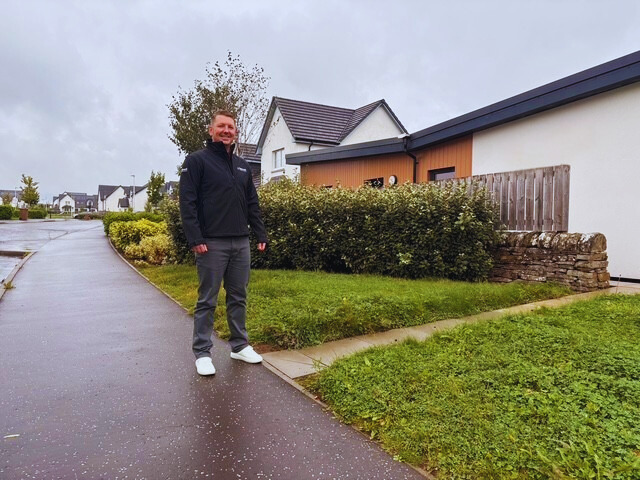
A Scottish based offsite manufacturing business has strengthened its team with the appointment of a new Head of Sales for Scotland and England. Eoghainn Mitchell, 38, from Dunfermline, joins Kirkwood Timber Frame, bringing over a decade of experience in Modern Methods of Construction (MMC) sales, and building development - most recently working for one of the country’s largest timber frame...
Partnerships milestone at the Manor, Sheffield
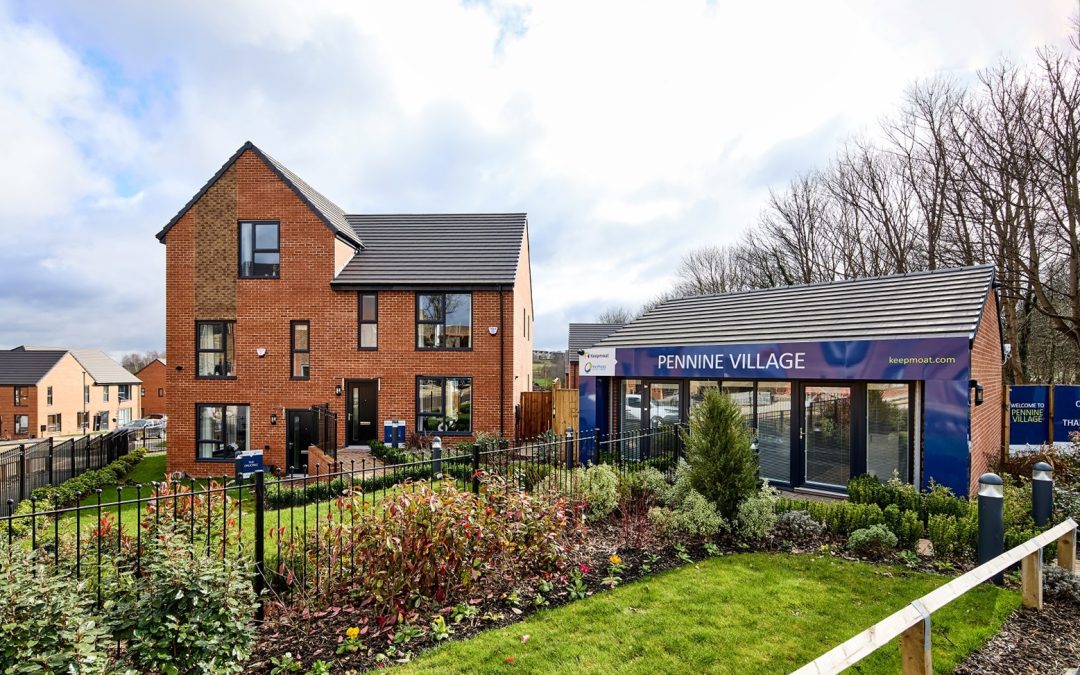
A Sheffield regeneration partnership is delivering 98 new affordable homes in the Manor area of the city. The mixed tenure properties - including homes for affordable rent and shared ownership - are being built across three sites by Sheffield Housing Company (SHC). The Council is purchasing 47 homes at Corker Bottoms, just off Harborough Road, comprising a selection of two, three and four...

Green light for 59 new homes in South East Northumberland
Planning has been approved for the delivery of 59 new homes in Guide Post, South East Northumberland, part of a wider development of over 100 new homes. Consett based Amethyst Homes will start work on the first phase of development this summer, which will include 59, two, three and four bedroomed detached and semi-detached properties. Richard Bass, Managing Director at Amethyst Homes said: “It...

A real page turner for Scotswood youngsters
A community initiative is providing children in Scotswood with access to reading books. Established by North East charity Healthworks - in collaboration with Scotswood Village Nursery and the National Literacy Trust - the project has created a library at the nursery with over 50 children’s books that students can take home. Lisa Conroy, Health Promotion Team Lead with Healthworks, explains: "Not...

English expansion – timber frame specialist recruits for growth, south of the border
A Scottish based offsite manufacturing business - capable of delivering up to 2,000 timber frame structures per year – has recruited two new staff, as it extends its geographic reach. Kirkwood Timber Frame welcomes two County Durham natives - Antony Bayles, 47, from West Auckland, as Technical Sales Manager and Morgan Howe, age 27, from Bishop Auckland, as Contracts Supervisor, for England and...

Milestone for Sheffield regeneration partnership
A regeneration partnership which has created more than 1,500 new homes on 17 sites across Sheffield, has hit a new milestone. Alan and Karen Atkinson, 71 and 67 respectively, have become Sheffield Housing Company's (SHC) 1,500th buyers - moving into their new two bedroomed property at Malthouses (Becket Hill). The couple, who have been married 51 years, have returned to the area where they spent...

Business is building
Business is building in Consett, County Durham, an area once synonymous with the steel industry, with two new companies opening their doors. The last two of four retail units, built by Amethyst Homes - at its Regents Park development - are now occupied by Billet Mill Convenience Store and Sweet Things Café, which join the established Social Butterflies – a purpose-built play cafe for age 0-6...

Partnership is building affordable housing options in Sheffield
Sheffield Housing Company (SHC), a joint venture development company between Sheffield City Council, Keepmoat and Great Places, has delivered much-needed affordable properties at the popular Pennine Village site - located only two miles from the city centre. The partnership, charged with delivering 2,300 properties on a total of 23 Sheffield sites by the end of 2026, has agreed the sale of homes...

Pastures new!
Megan Mollon, 26 and her partner Michael Hall, 25, have moved to pastures new - buying a house on land where she has grazed her horses! The couple have photos and memories of Bella stood in the same spot where the garden now sits, at Amethyst Homes’ The Pastures development in East Sleekburn. Megan, who works in childcare, said: “I know East Sleekburn well, so we were thrilled when we heard that...

Assembly line for school leavers
A trio of school leavers are upskilling, taking on traineeships with an Aberdeenshire based timber frame specialist. Cameron Forbes, 18, Harrison Brodie, 18 and Gabe Taylor 16, all from Sauchen have joined Kirkwood Timber Frame as Factory Operatives. Alan Little, Factory Operations Manager said: “It has been great to welcome the lads to the factory team and to see their personal and professional...

A healthy dose of history
Young people from Scotswood have been enjoying an historic health boost, thanks to a community project. The pupils - from Bridgewater Primary School and Scotswood Village Nursery - have been learning about local history through sessions encouraging exercise and healthy eating. These have included space hopper jousting and lessons about foods from the past. The activities have been run in...

Guide Post deal signals the way to new development
A land deal has been completed that will pave the way for 111 new homes in Guide Post, South East Northumberland. The acquisition, by Consett based housebuilder Amethyst Homes, means that the planning application can now be brought forward for the site, which is located just off the A1068. It is part of a larger redevelopment area between the settlements of Choppington and Guide Post. A minor...
Tyler has success in his ‘site’
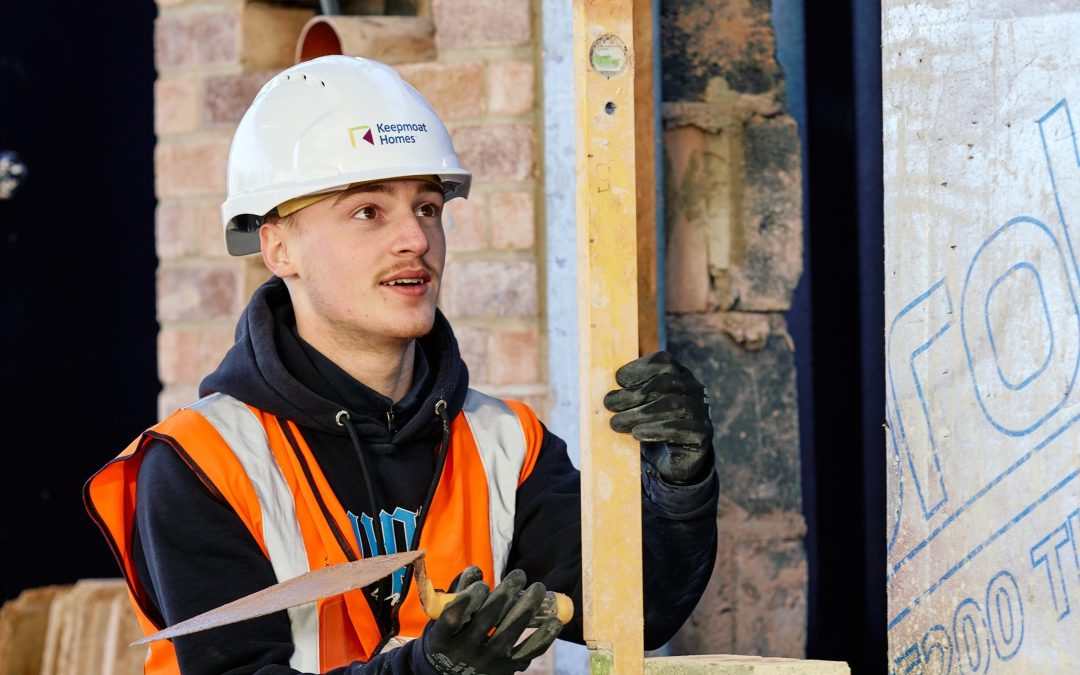
A teenager from Fawdon, Newcastle, has success in his ‘site’ having recently been promoted from apprentice to Trainee Site Manager (TSM). Tyler Mudie, 19, was trained by the National House Building Council (NHBC) at the NHBC Training Hub, located at New Tyne West Development Company’s (NTWDC) The Rise, Scotswood, over the course of 14 to 18 months. As part of his NHBC training, Tyler was able to...
Building strength and community connections
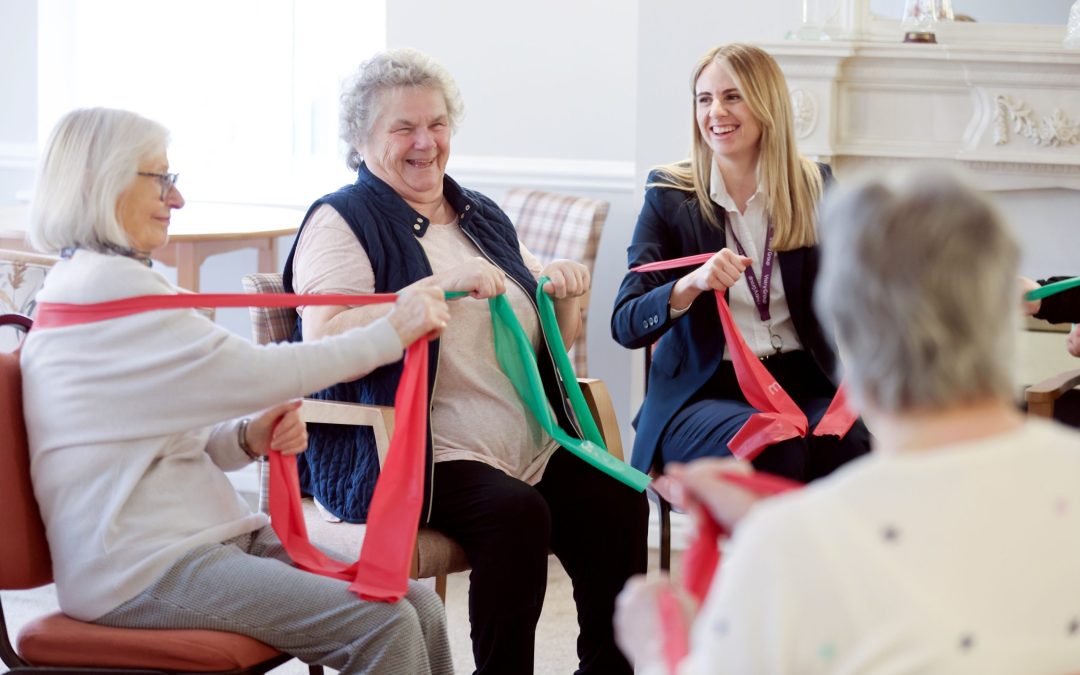
A donation of £5,000 is helping a community get active, build strength and make new friends. Residents at Benedict Court are benefitting from sessions which focus on movement and physical activity, organised by The Foundation of Light. The sessions have been funded by Vistry North East, part of Vistry Group - the UK’s leading provider of mixed tenure homes, which is building 265 new homes at...
Graduate Apprentice Accountant Calum adds value to the team
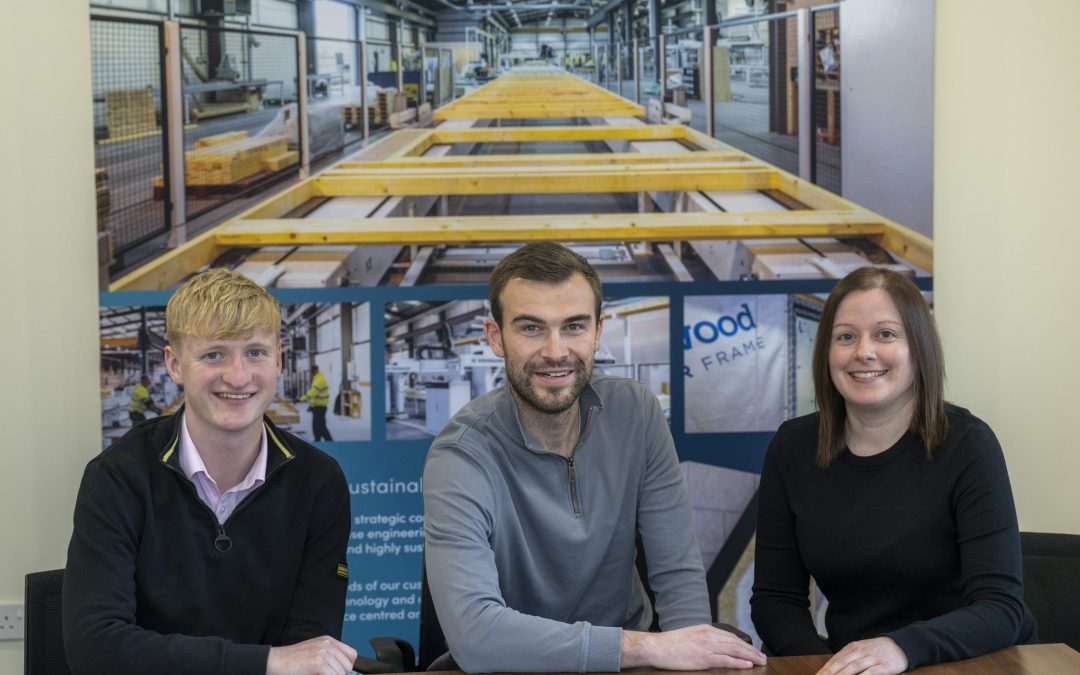
As the country marks National Apprenticeship Week #NAW2025, (10th to 16th February) Graduate Apprentice Accountant, Calum Burr, is adding value to the Kirkwood Timber Frame team. Calum, 18 and from Stonehaven, joined Kirkwood at the beginning of September 2024, as part of his Graduate Apprenticeship scheme delivered by Robert Gordon University. Under the direction of Finance Director, Michael...
Outstanding nursery benefits from donation
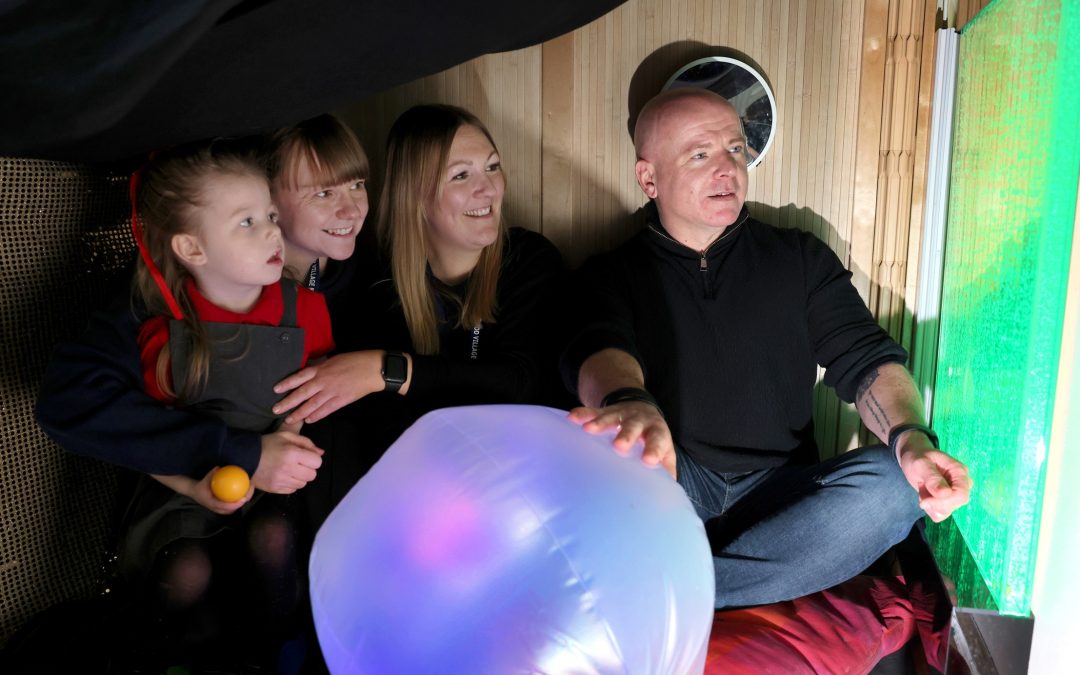
A nursery in Scotswood, Newcastle, has seen its provision bolstered by the donation of equipment for children with Special Educational Needs and Disabilities (SEND). The donation of resources has been made by New Tyne West Development Company (NTWDC) – the partnership behind The Rise development nearby. It will enable Scotswood Village Nursery to meet the needs of the children through the use of...
Vistry and Beyond Housing agree Stockon affordable homes deal
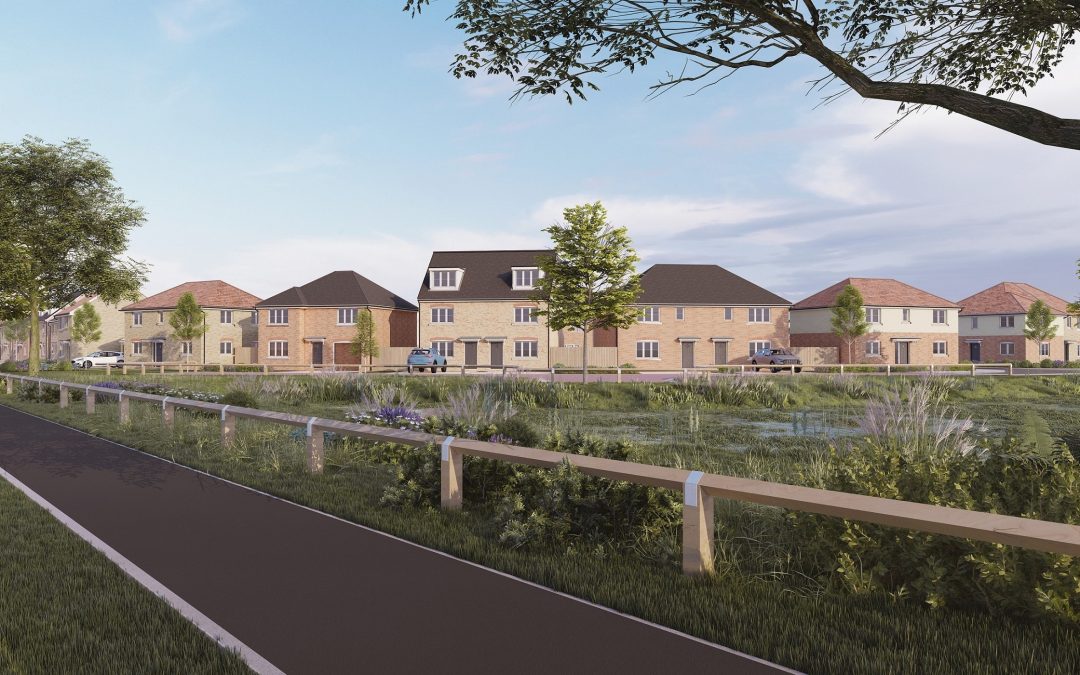
A deal has been agreed between Vistry Group, the UK’s leading provider of mixed tenure homes and registered housing provider, Beyond Housing, that will see 106 new sustainable and affordable homes built in Stockton. Of these, 75 homes will be made available for social rent and 31 for shared ownership. Vistry North East, which is part of Vistry Group, will construct the new homes to be owned and...

Kirkwood Timber Frame strengthens its team
A Scottish based offsite manufacturing business - capable of delivering up to 2,000 timber frame structures per year - has made a key appointment, recruiting a Factory Operations Manager. Alan Little, 50 and from just outside Kintore, Aberdeenshire, replaces the recently retired factory manager, joining growing Kirkwood Timber Frame, as it extends its geographic reach and operations beyond...
Partnership is laying the foundations for careers in construction
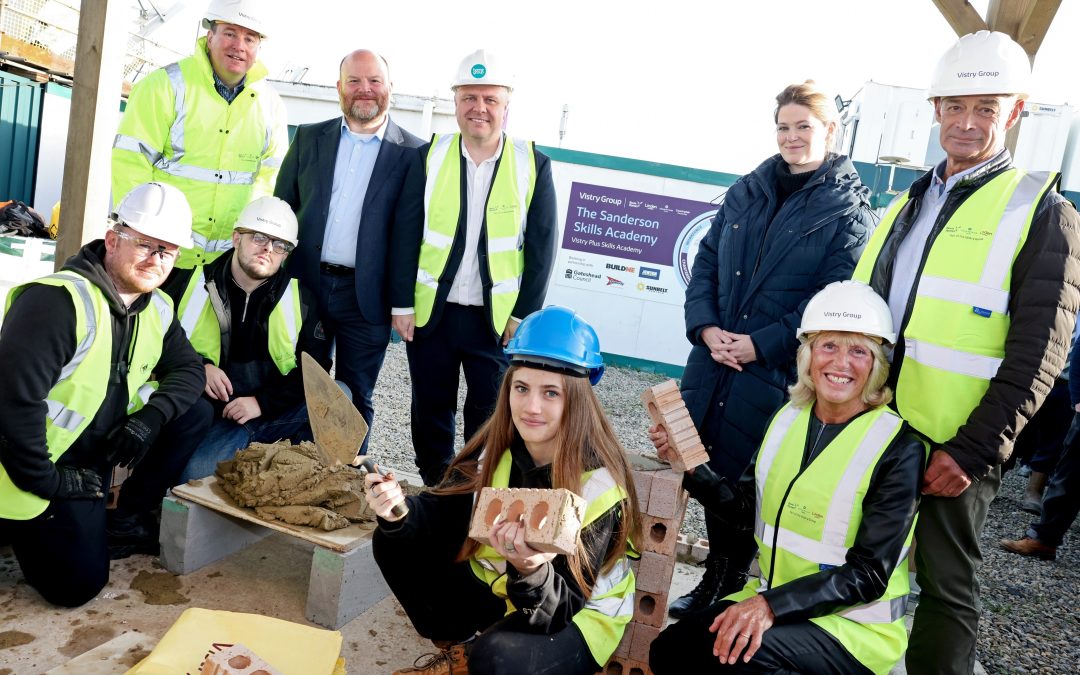
The partnership behind the housing led regeneration of 10 sites across Gateshead, has launched a new construction skills academy. The new facility, located at the Gateshead Regeneration Partnership’s (GRP) Freight Village development, just off St James Road, will offer construction skills training courses and educational opportunities for hundreds of children, young people and unemployed...

Transforming housing quality and choice
Work has begun on the second of two new housing schemes, transforming the quality and choice of homes across Gateshead. A development of 49 family homes is to be built by Gateshead Regeneration Partnership (GRP), on the site of the former Hookergate School, at High Spen. All will be available for open market sale and the project is also supporting the development of new affordable housing...

Further investment bolsters Sheffield community groups
Two local organisations supporting communities in the north and south east of Sheffield, have seen their services enhanced by a £60,000 donation. After providing £20,000 of funds in both 2022 and 2023 - which helped support projects with Manor and Castle Development Trust (MCDT) and SOAR Community - Sheffield Housing Company (SHC) has donated a further £20,000 this year, enabling the...

Clubbing together for local charity
Amethyst Homes has been teeing off for charity, raising £500 for local hospice, Willow Burn. As part of the Dysart Group of Companies Annual Golf Day, 12 teams including teams from Dysart, Absolute Civil Engineering, Amethyst Homes took part in the 18-hole competition at Slaley Hall Golf Club in Northumberland. Overall victors on the day were DJMS Solicitors, but the true winners were Willow...